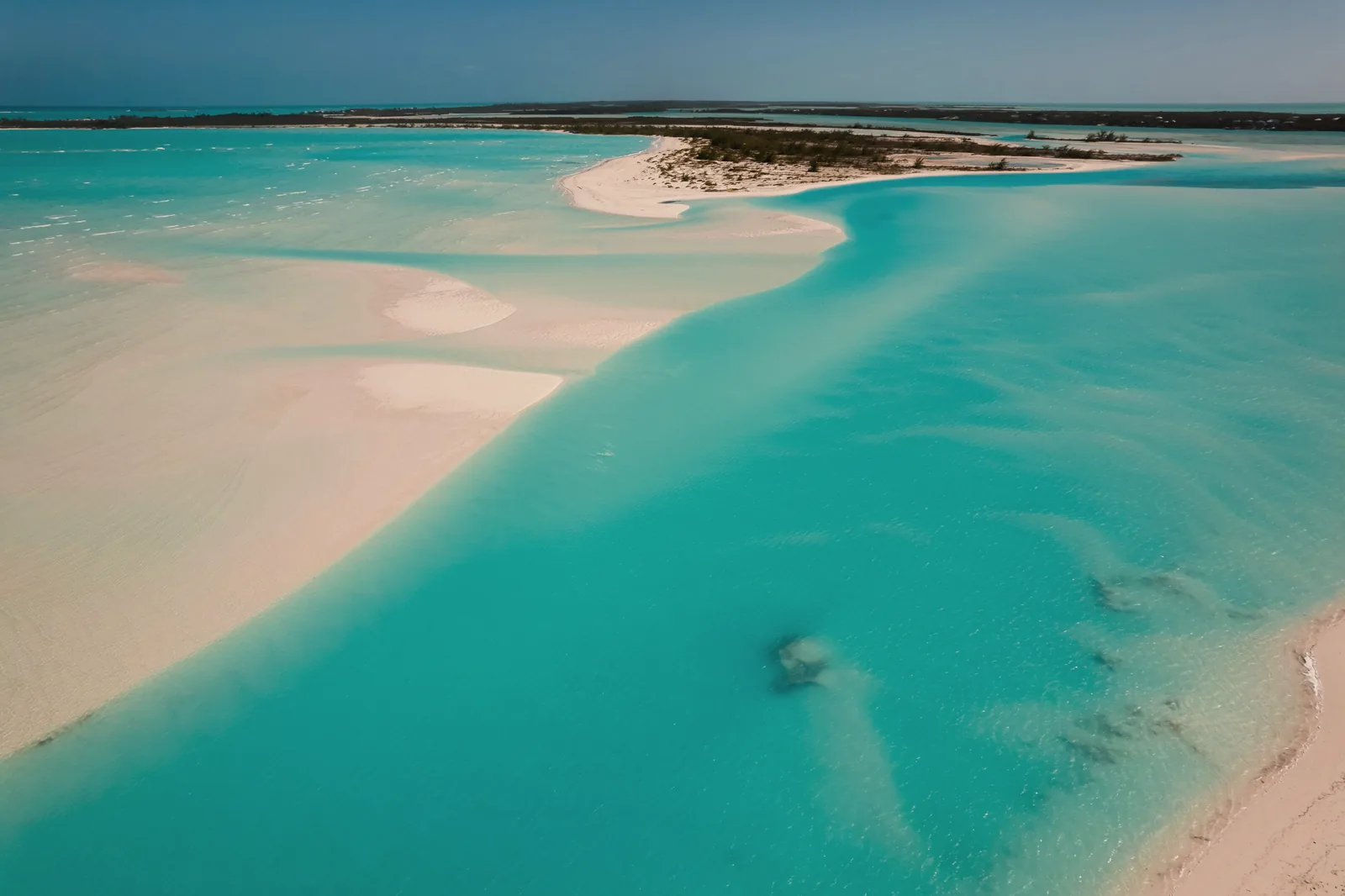
Starting a business in the Bahamas
- Rank of 25
- =15
- Index score of 100
- 76
The case for the Bahamas
The Bahamas suits a holding company, fund vehicle or family wealth structure that is run by a licensed provider, with a time zone that matches New York. There is no corporate income tax, no personal income tax and no withholding tax. Most international owners use an International Business Company, which the Registrar General's Department can register in 48 hours, or in 1 hour by express service. The government fee is USD 350 a year for an IBC with authorised capital up to USD 50,000 and USD 1,000 above that. Groups with revenue of EUR 750 million or more pay a 15% Domestic Minimum Top-up Tax.
The Bahamas suits less well a small trading company that wants a low cost base. VAT is 10%, an IBC pays business licence tax of BSD 2,500 a year when its revenue from outside The Bahamas is up to BSD 1 million, and exchange control approval from the Central Bank is needed for many transactions. The main drawback for an owner who wants to move is the price of residence: economic permanent residence needs a USD 1 million investment held for 10 years.
How a company is taxed
There is no corporate income tax. Groups with revenue of EUR 750 million or more pay a 15% Domestic Minimum Top-up Tax, and VAT is 10%. There is no personal income tax, capital gains tax, inheritance tax or wealth tax. Employees pay 4.65% national insurance up to a wage ceiling of BSD 3,510 a month.
Setting up and running a company
48 hours, or 1 hour express
The Registrar General's Department registers an IBC in 48 hours, or 1 hour by express service. The government fee is USD 350 for authorised capital up to USD 50,000 and USD 1,000 above.
Registered agent and office
An IBC is formed through a licensed financial and corporate service provider, which acts as registered agent with a registered office in The Bahamas. Economic substance rules apply to relevant activities.
Not public
Registered agents file beneficial ownership details to a secure search system run by the Attorney General's Office. Only named authorities can search it.
USD 1 million for permanent residence
Economic permanent residence needs USD 1 million in real estate or Central Bank bonds, held for 10 years. Dependants can apply for an annual permit to reside, and home owners for a home owner resident permit.
Fees shown are government registry fees only. Agent, licence, office, audit and professional costs are additional and usually make up most of the cost of setting up.
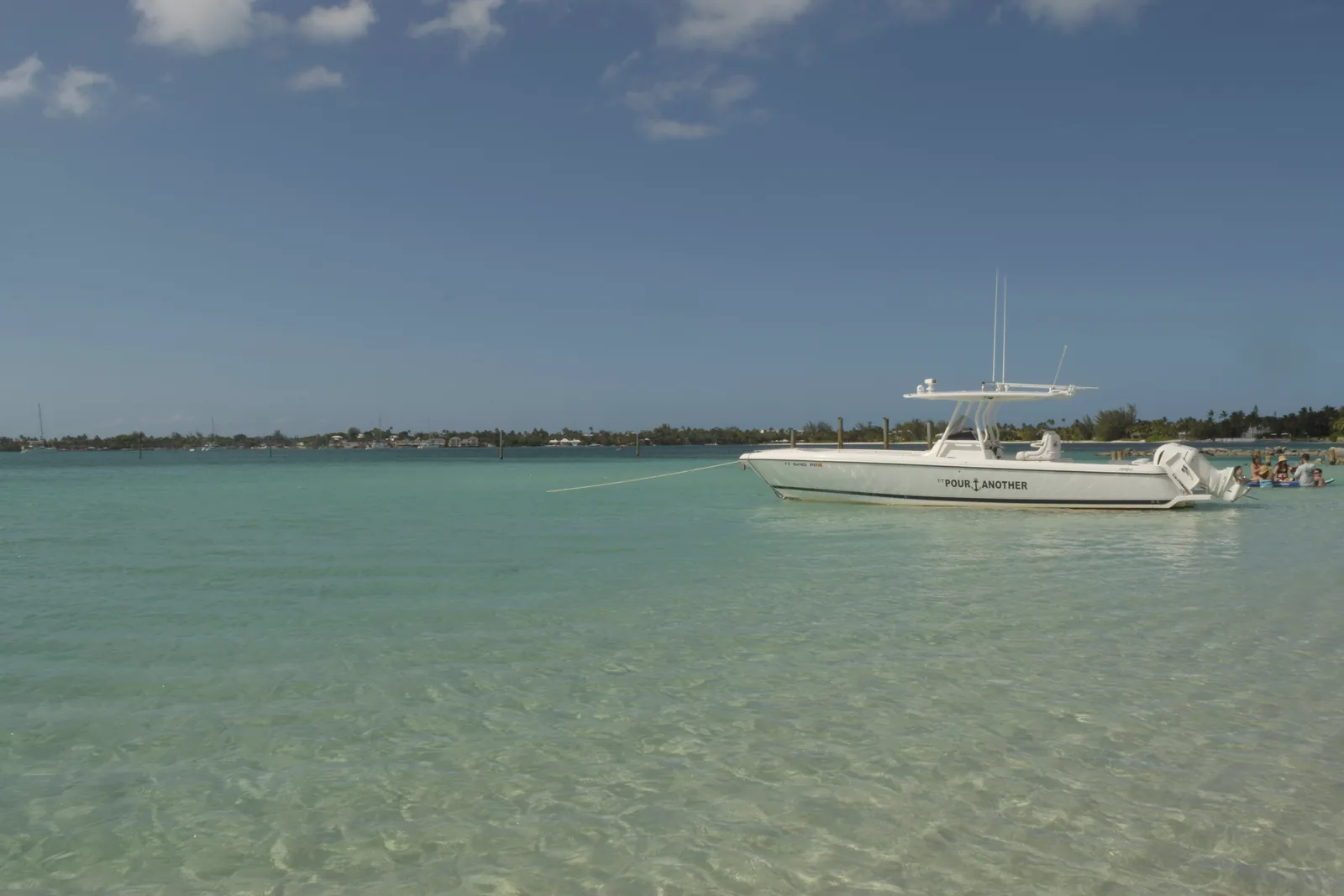
Life in Nassau
- Flights
- Lynden Pindling International Airport in Nassau has about 57 scheduled nonstop destinations, including seasonal routes, with direct flights to London Heathrow, Toronto and most large cities on the US east coast.
- Exchange control
- The Central Bank of The Bahamas must approve many foreign exchange transactions. An IBC owned by non-residents and trading outside The Bahamas can usually hold foreign currency accounts.
Wealth, inheritance and a family home
- Inheritance and gift tax
- The Bahamas has no inheritance, estate or gift tax, although stamp duty applies to some transfers of property.
- Wealth tax
- There is no net wealth tax, but owners of land and buildings pay an annual real property tax that depends on value and use, limited to BSD 150,000 for an owner-occupied home.
- Capital gains
- The Bahamas does not tax capital gains, though VAT and stamp duty can apply when property or shares in land-owning companies change hands.
- Personal income tax
- There is no personal income tax, and the only payroll charge is national insurance, at 4.65% for employees and 6.65% for employers up to a wage ceiling of BSD 3,510 a month.
- Tax information exchange
- The Bahamas has no tax treaties but has tax information exchange agreements with more than 30 jurisdictions, and its financial institutions report under the OECD Common Reporting Standard and FATCA.
- Buying a home
- Foreign buyers register purchases under the International Persons Landholding Act, VAT is charged at 2.5% on property sales up to BSD 100,000 and 10% above, and a home owner can apply for a home owner resident permit.
The Bahamas dossier
About 30 pages on business and life there, with official sources.
Questions people ask about the Bahamas
The Bahamas has no corporate income tax. Only multinational groups with revenue of EUR 750 million or more pay the 15% Domestic Minimum Top-up Tax, enacted on 29 November 2024.
An International Business Company under the International Business Companies Act 2000 is the usual choice for international owners. A domestic company under the Companies Act 1992 is used for trading within The Bahamas.
The Registrar General's Department registers an IBC in 48 hours, or in 1 hour by express service. Name reservation is often immediate and costs USD 25.
An IBC pays USD 350 a year if its authorised capital is up to USD 50,000, and USD 1,000 above that. Business licence tax is also due, BSD 2,500 for an IBC with up to BSD 1 million of revenue from outside The Bahamas.
No. Under the Register of Beneficial Ownership Act 2018, registered agents file details to a secure search system run by the Attorney General's Office, which only named authorities can search.
Yes. The standard rate is 10%. Businesses register once taxable supplies reach BSD 100,000, and real property sales up to BSD 100,000 are taxed at 2.5%.
No. The Bahamas left the FATF grey list in December 2020, and it is not on the EU tax list of non-cooperative jurisdictions or the EU list of high-risk third countries for money laundering.
Economic permanent residence needs a USD 1 million investment in real estate or Central Bank zero coupon bonds, held for 10 years. The application fee is USD 200.
Thinking about the Bahamas?
A short call settles what a ranking cannot: your residence, your structure and your timeline.