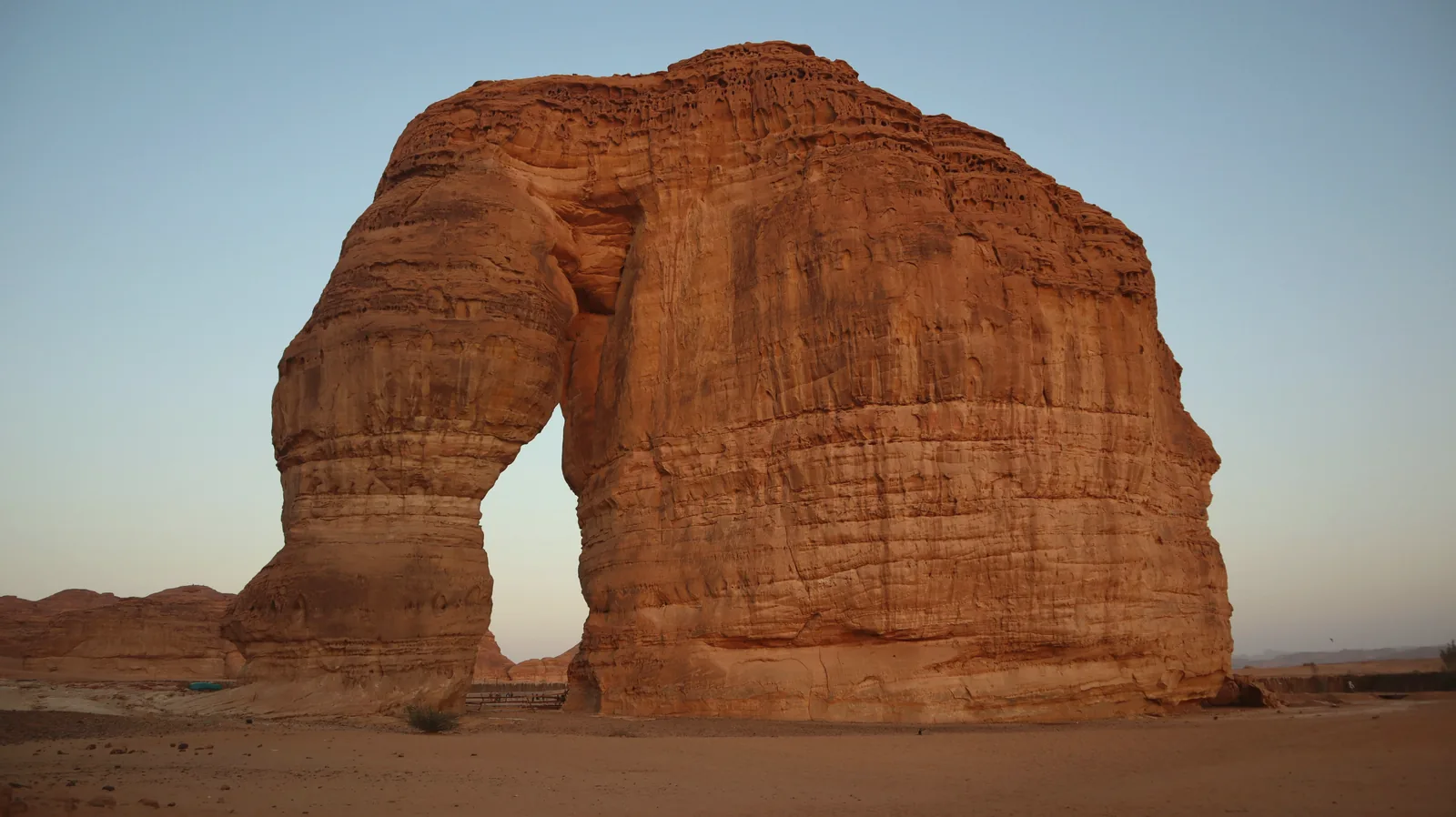
Starting a business in Saudi Arabia
- Rank of 25
- =07
- Index score of 100
- 81
The case for Saudi Arabia
Saudi Arabia suits a business that wants to sell into the largest economy in the Gulf, win government or state company work, or run its Middle East operations from Riyadh. A foreign investor registers with the Ministry of Investment (MISA), which aims to do this within 10 working days, and then takes a Commercial Registration from the Ministry of Commerce. Most activities allow 100% foreign ownership. Profit attributable to foreign shareholders is taxed at 20%, while the Saudi and GCC share pays 2.5% zakat. A licensed regional headquarters pays 0% income tax and withholding tax on qualifying activities for up to 30 years, and government bodies have restricted contracts with companies whose regional headquarters is outside the Kingdom since 1 January 2024.
Saudi Arabia suits less well a holding company, SPV or family investment vehicle that needs light administration, because a Saudi company carries real operating obligations. The main drawback is the cost of being on the ground: a company needs a Saudi address, files tax or zakat returns, and must employ a set share of Saudi nationals under the Nitaqat system once it has staff. MISA can also set activity based capital minimums for foreign owners, which are highest for trading.
How a company is taxed
Income tax of 20% applies to profit attributable to non-Saudi, non-GCC shareholders, and 2.5% zakat applies to the Saudi and GCC share. VAT is 15%. Qualifying regional headquarters activities pay 0% income tax and withholding tax for up to 30 years. There is no income tax on employment income. Non-Saudis who run a business in their own name pay income tax on its profit, and non-Saudi employees' employers pay 2% social insurance on wages.
Setting up and running a company
MISA, then Commercial Registration
A foreign investor registers with MISA, which aims to complete investment registration within 10 working days, and then obtains a Commercial Registration from the Ministry of Commerce. Since April 2025 a Commercial Registration no longer expires but the company must update and verify its data every year.
Saudisation quotas
A company needs a Saudi address and, once it employs staff, must keep a set share of Saudi nationals under the Nitaqat system run by the Ministry of Human Resources. A licensed regional headquarters must hire at least 15 full time staff within its first year, 3 of them at executive level.
Not public
Since 3 April 2025 every company files its beneficial owners, anyone holding 25% or more, with the Ministry of Commerce and reports changes within 15 days. The register is not open to the public, and fines reach SAR 500,000.
Premium Residency
Premium Residency offers Special Talent, Gifted, Investor, Entrepreneur and Real Estate Owner routes, plus a Limited Duration residency at SAR 100,000 a year and an Unlimited Duration residency for a one time SAR 800,000. The Investor route asks for SAR 7 million invested and 10 jobs.
Fees shown are government registry fees only. Agent, licence, office, audit and professional costs are additional and usually make up most of the cost of setting up.
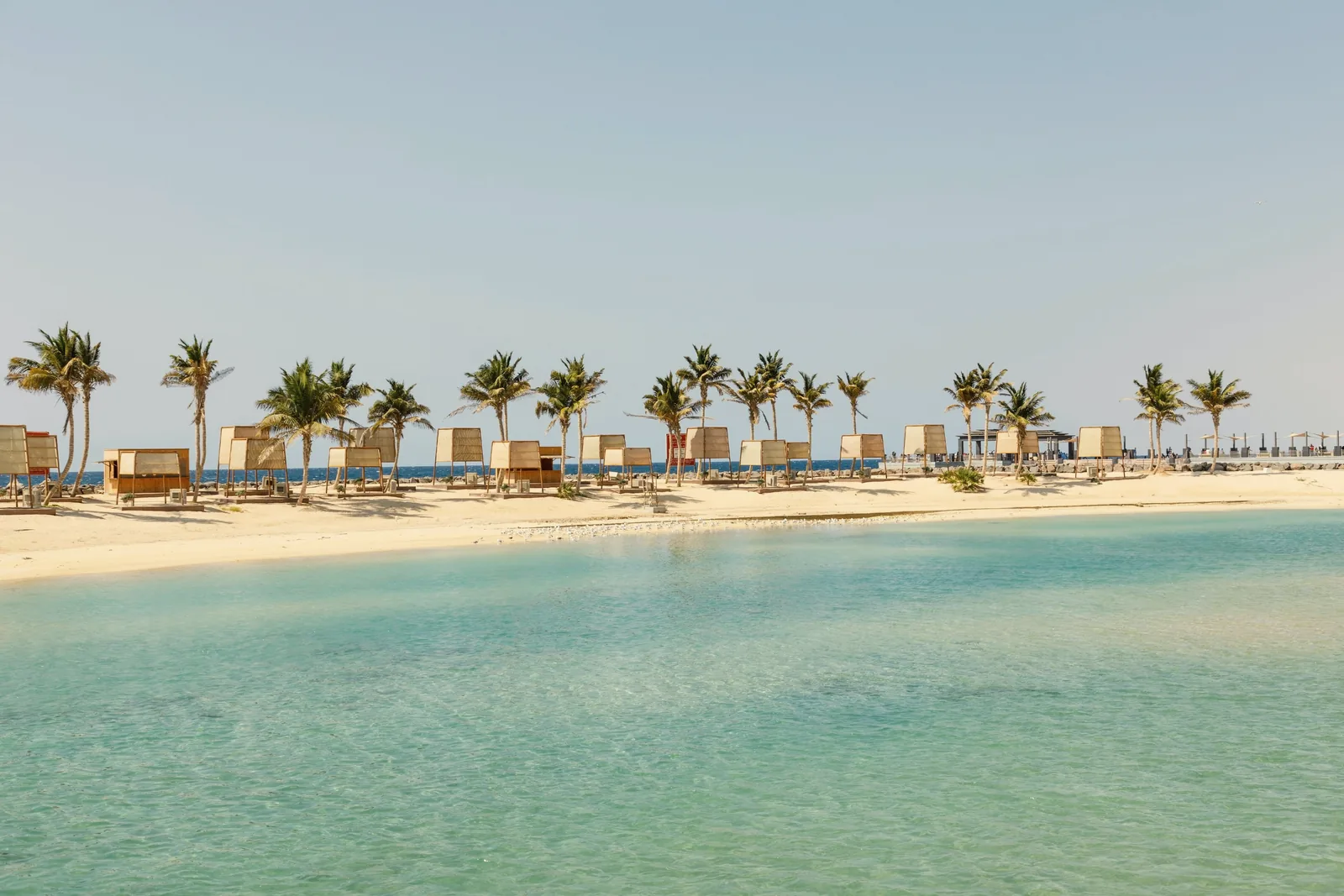
Life in Riyadh
- Flights
- King Khalid International Airport connected Riyadh to 113 domestic and international destinations in 2024 and handled more than 37 million passengers.
- Schools
- Riyadh has many international schools teaching British, American and IB curricula, licensed by the Ministry of Education. Fees are paid privately.
- Healthcare
- Private health insurance is compulsory for expatriate residents and their dependants, and employers must provide it for staff.
- Banking
- Local banks open company accounts after Commercial Registration, with full know your customer checks on the owners and directors.
Wealth, inheritance and a family home
- Inheritance and gift tax
- Saudi Arabia has no inheritance, estate or gift tax, though Islamic inheritance rules govern how a Muslim's estate is shared under Saudi law.
- Wealth tax
- There is no net wealth tax on individuals, but owners of undeveloped urban land in designated areas pay an annual white land tax.
- Capital gains
- Individuals are not taxed on private investment gains, while gains made through a business or by non-Saudi shareholders on most disposals of Saudi company shares fall under the 20% income tax.
- Personal income tax
- There is no income tax on employment income, and Saudi and GCC nationals pay 2.5% zakat on business wealth rather than income tax.
- Tax information exchange
- Saudi Arabia exchanges financial account data under the OECD Common Reporting Standard and has a FATCA agreement with the United States, so local banks report foreign account holders.
- Buying a home
- Since 22 January 2026 foreign residents can own a home outside Makkah and Madinah, ownership counts only once registered with the Real Estate General Authority, and buyers pay the 5% real estate transaction tax plus a non-Saudi fee of up to 5%.
The Saudi Arabia dossier
About 30 pages on business and life there, with official sources.
Questions people ask about Saudi Arabia
Profit attributable to non-Saudi, non-GCC shareholders is taxed at 20%. The share owned by Saudi and GCC nationals pays zakat at 2.5% of the zakat base instead. Oil and hydrocarbon production is taxed at 50% to 85%.
Yes, in most activities. The investor registers with MISA, which replaced sector licences with a single investment registration under the Investment Law in force since February 2025. A short list of activities remains closed or restricted.
MISA's service level agreement gives 10 working days for investment registration. The Commercial Registration, articles of association, bank account and Chamber of Commerce membership then follow.
The 2023 Companies Law sets no minimum capital for a limited liability company. For foreign investors MISA sets capital requirements by activity, and trading carries the highest figure.
A licensed RHQ pays 0% income tax and 0% withholding tax on qualifying activities for up to 30 years from the licence date. It also gets relief from Saudisation quotas, visas for its staff and work permits for executives' spouses. It must hire 15 full time staff within its first year.
Since 1 January 2024, government agencies, institutions and funds have stopped contracting with companies whose regional headquarters is in another country, subject to limited exceptions. An RHQ in Riyadh keeps that work open.
Saudisation, run through the Nitaqat system, requires private employers to keep a set share of Saudi nationals on their payroll. The share depends on the sector and the size of the company, and a low rating limits new work visas.
Yes. The Law of Real Estate Ownership and Investment by Non-Saudis took effect on 22 January 2026. Foreign residents can own a home outside Makkah and Madinah, and foreign owned Saudi companies can own property across the Kingdom. A 5% real estate transaction tax applies.
Thinking about Saudi Arabia?
A short call settles what a ranking cannot: your residence, your structure and your timeline.